How to Maintain High-Performance RC Vehicles
Regular maintenance prevents early failure in high-performance RC vehicles by keeping parts clean and functional. Worn gears, dust in bearings, and dried-out shocks are the usual causes of rough handling, decreased speed, or sudden breakdowns. Even missing a single cleaning session can allow grit to grind away at drive shafts or fry an electric motor after just a few runs. Manufacturers often recommend checking key components every 2 to 5 hours of use, but frequent bashing on off-road tracks can shorten that interval considerably.
Neglect leads to stripped gears, overheating, and runaway costs for replacement parts. Owners who keep up with checks and cleaning see batteries last longer and electronics stay reliable under maximum load.
A stuck bearing or a cracked suspension arm left unnoticed can turn a $10 repair into a full system replacement within a month of regular driving.
Why performance drops over time
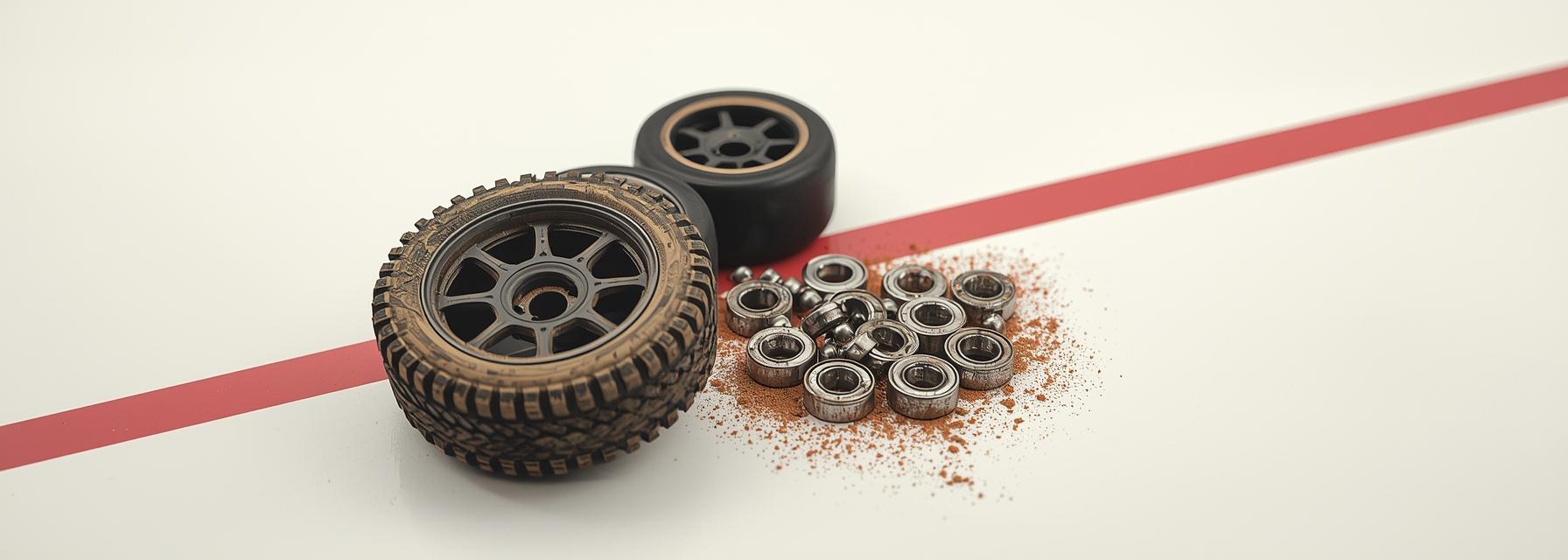
Repeated use brings a steady change in how an RC car handles and accelerates. Even top-tier models begin to show sluggishness or imprecise steering after just a season of heavy racing. These changes trace back to several forces at work:
- Ball bearings and gears grind down, producing more friction and reducing top speed.
- Dust and grit invade the suspension, causing hesitation in turns and slower response.
- Electrical contacts corrode or lose tension, leading to power drops and brief cutouts.
- Battery cells age, cutting run time and leaving less punch during hard acceleration.
Assuming a loss of speed is only a battery problem often hides deeper mechanical wear. A careful comparison of lap times or response on a known track spot can reveal when maintenance is overdue.
Temperature changes and track conditions gradually influence how mechanical wear develops. When maintenance is overdue and performance is back to normal, drivers can finally shift their focus to lighter activities such as playing at online casino without distraction. Many people choose Runa Casino en ligne for its generous welcome bonuses that make the first experience more exciting. Staying ahead of these subtle shifts ensures the car remains ready for any challenge.
How cleaning affects speed and durability
Mud, dust, and grass clippings collect quickly on moving parts of RC vehicles, reducing top speed and stressing gears and bearings. Outdoor tracks with loose soil or wet grass accelerate grime buildup compared to smooth indoor tracks. The right cleaning process not only restores lost performance but also extends the lifespan of expensive components.
Best cleaning methods for RC vehicles
Mud and fine dust can jam suspension arms or scratch exposed gears in RC vehicles. Frequent buildup undermines speed and shortens the lifespan of moving parts.
Compressed air removes grit from tight spaces around servos and bearings without disturbing wires or circuit boards. Soft detailing brushes lift dirt from plastic or carbon fiber chassis, where hard bristles would leave scratches.
Isopropyl alcohol works on metal parts but weakens some painted surfaces and rubber. For polycarbonate bodies, a drop of mild dish soap in water avoids clouding or warping. Microfiber towels leave fewer fibers behind than paper, preventing residue in joints and linkages.
A dedicated electronics cleaner evaporates quickly and leaves no film under receiver housings. Drying parts fully before reassembly prevents corrosion and keeps connections reliable.
How often to clean for best results
Bashing an RC truck through wet grass leaves clumps around the drivetrain after one session. Prolonged gaps between cleaning can stiffen steering or trap moisture, especially after exposure to damp soil.
| Usage pattern | Dominant terrain | Cleaning interval | Key cleaning trigger | Typical result if skipped |
|---|---|---|---|---|
| Daily running | Short grass field | Every two runs | Grass buildup behind wheels | Steering slows, motor heats up |
| Weekly use | Indoor carpet track | Once per month | Fine fuzz on axles | Traction drops, bearings clog |
| Backyard stunts | Loose gravel | After each outing | Pebbles in chassis corners | Scratches on underside, scraping noise |
| Weekend trail rides | Muddy woodland | Every session | Mud packed around shocks | Shock leaks, loss of rebound |
| Monthly racing | Clay track | After race day | Clay caked on tires | Loss of grip, uneven tire wear |
| Occasional display | Paved surface | Every six months | Dust layer on body and links | Faded paint, sticky servo movement |
Small brushes work fastest for dried grass and stones that cling to suspension arms. Frequent cleaning of just the wheel wells prevents mud from hardening into stubborn layers.
Dirt left on axles, shocks, and drive shafts increases friction and can cause premature part failure. Regular cleaning suited to the driving environment keeps vehicles running faster and repairs less frequent.
What to check before every run
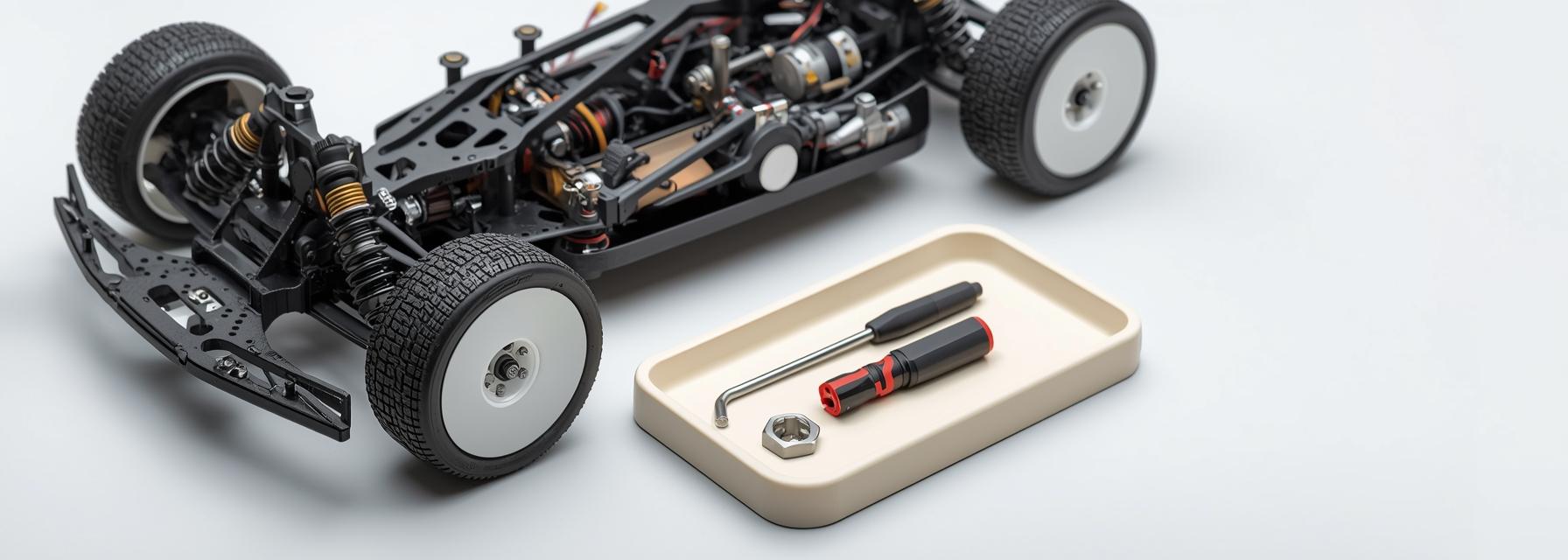
Dust, loose wires, and worn tires often signal hidden problems in high-performance RC vehicles. A minor crack in a suspension arm or a slightly corroded battery connector can trigger a breakdown during aggressive runs.
- Reduces risk of electrical shorts from exposed or frayed wires
- Extends tire life by catching uneven wear before loss of traction
- Prevents costly damage by spotting cracked suspension mounts early
- Ensures battery connectors remain tight, avoiding sudden power loss
- Requires extra time before each session, delaying start
- Missed small cracks can still lead to unexpected failures
- Frequent handling may loosen screws or connectors if done carelessly
Overconfidence in past performance often leads to skipping detailed checks. A flashlight reveals loose screws or hairline fractures missed by a quick glance.
When repairs or upgrades are needed
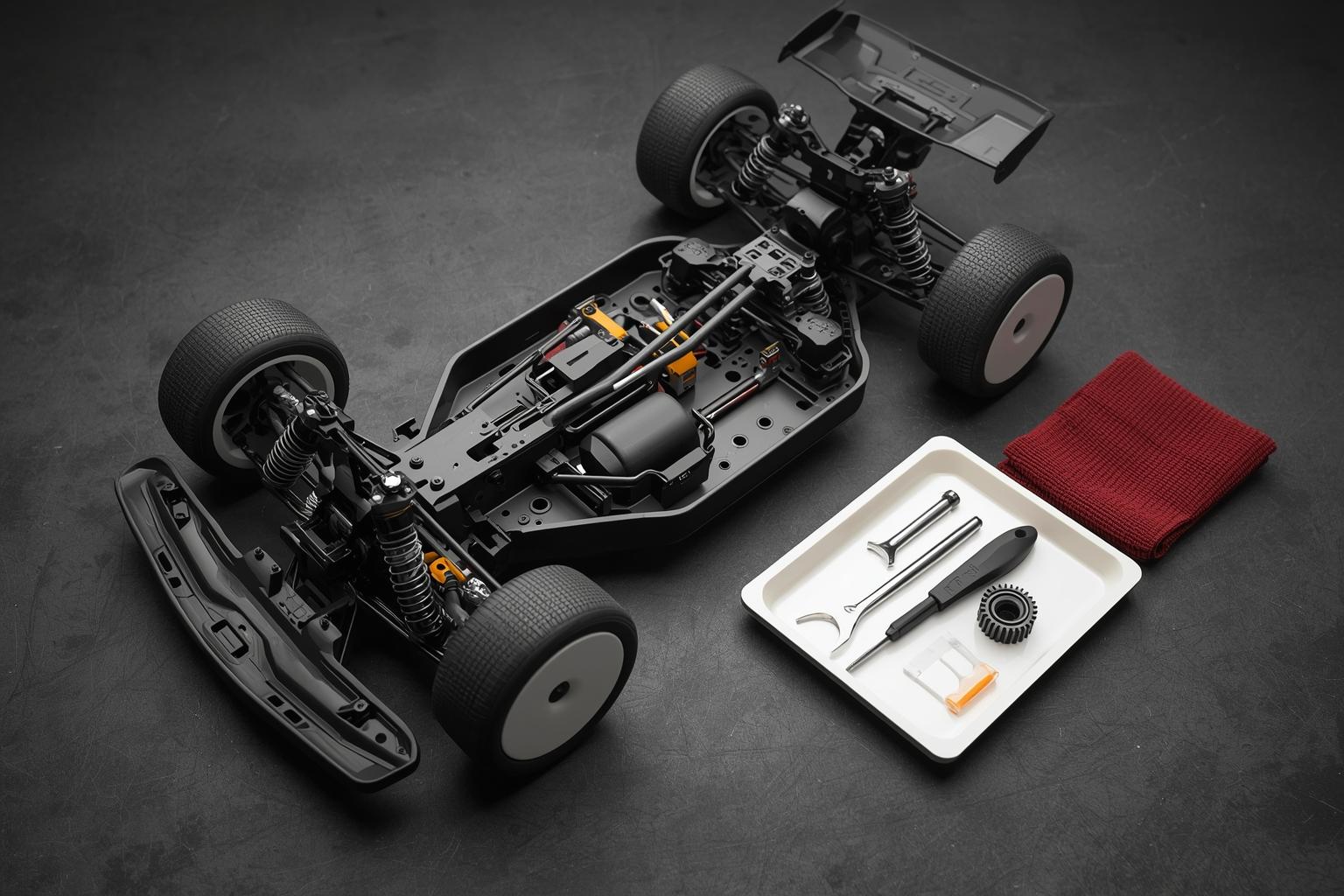
Repeated stalls during acceleration or sudden drops in speed signal issues beyond basic maintenance. Even after cleaning and lubricating, performance may not return to its usual level, especially after frequent use or rough terrain. Recognizing the shift from routine care to necessary repairs involves these steps:
- Inspect moving parts for cracks, loose joints, or teeth worn down to smooth surfaces on gears.
- Test battery packs for reduced run time, swelling, or heat buildup during normal operation.
- Check electronics for lag in response, flickering LEDs, or failure to hold calibration settings.
- Compare current top speed and handling to previous runs; a noticeable decline often points to aging components.
- Research compatible upgrades if original parts show repeated failure or if technology has advanced since purchase.
Spotting cracked suspension arms early can prevent collateral damage to the drivetrain. Direct replacement with reinforced parts or modern electronics often restores lost performance without repeated downtime.